One of the films I watched the most as a kid in the 80s was Supergirl. This obviously raised a few eyebrows at the time (ahem) but I was obsessed with this fantastic entry into the Superman franchise. It surprised me greatly to find out years later that the film was panned by some critics and hated by some fans of the series. In fact, this was yet another film that I loved but which was hated by others. Another entry on this list was Halloween III: Season of the Witch, which shares some similarities with Supergirl- both are interesting left-field films that are a part of well-established, successful franchises.
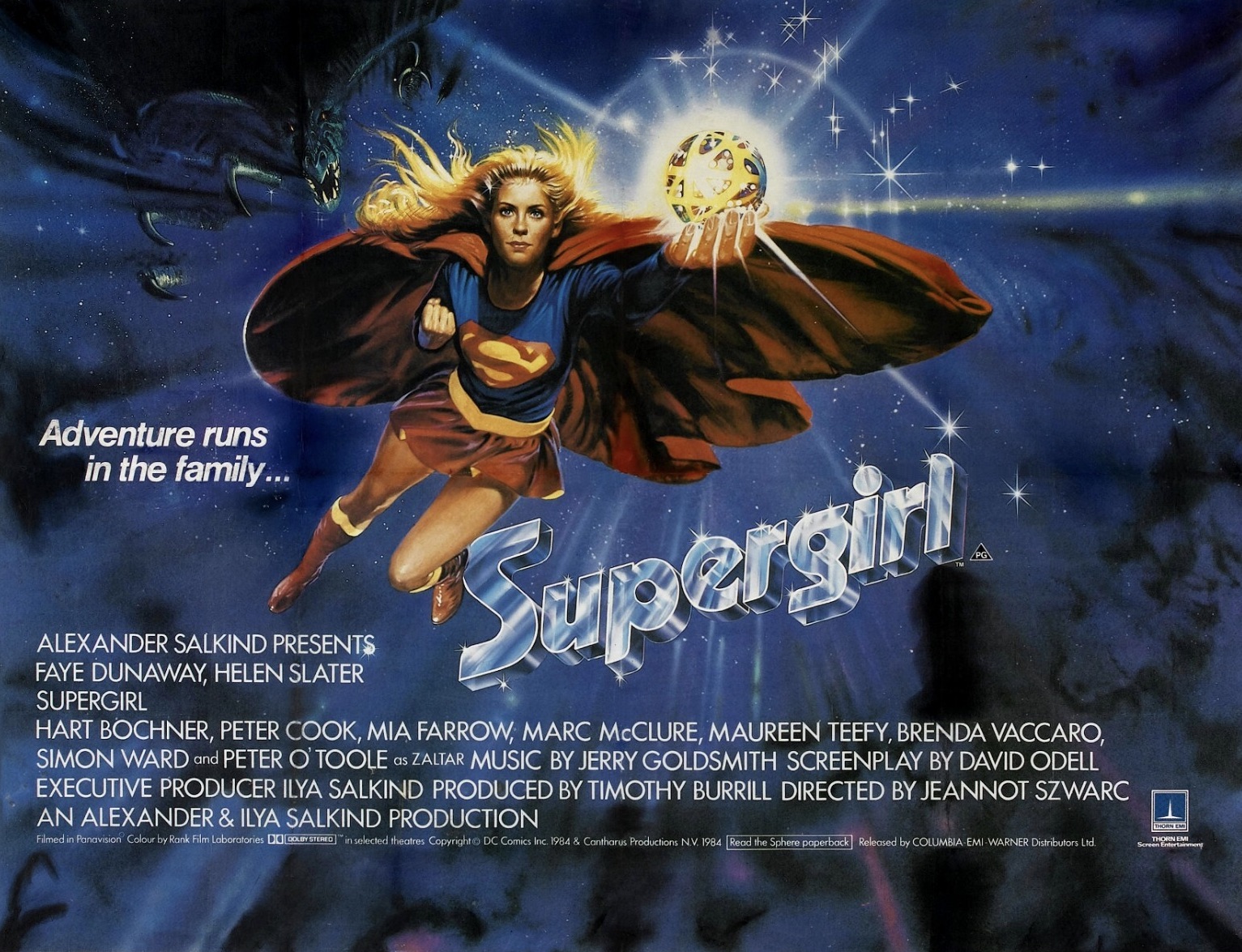
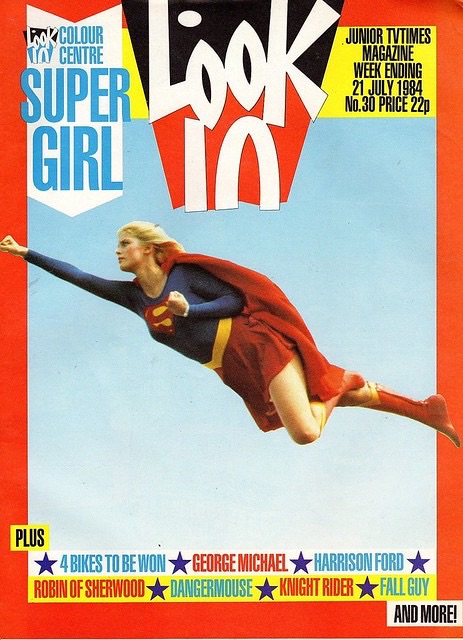
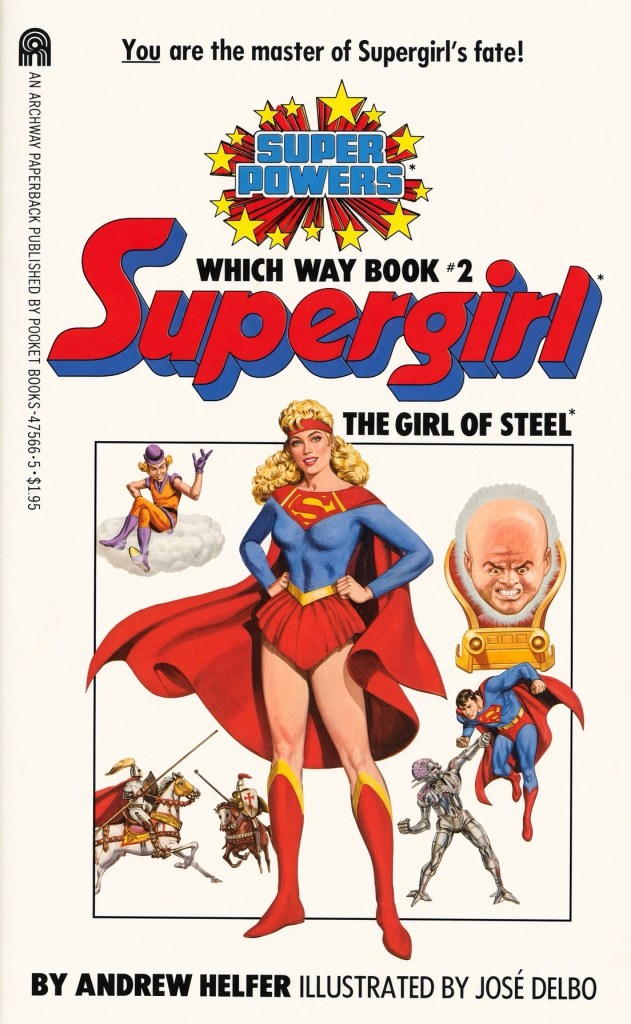
With Supergirl being part of a VERY lucrative franchise, there was extensive marketing, promotion, and merchandise. I love that a film so idiosyncratic (Supergirl’s director said he wanted the film to be noticeably different from the Superman films while still being part of that universe and series) could be augmented by books, bubble gum cards, and other paraphernalia. If only all cult films could have the kind of spend that Supergirl had bestowed on it.
I revisited the film recently and felt again what so beguiled me at the tender age of 9. There’s a lot to love here.
The plot involves a huge piece of Krypton that survived after its explosion. Argo City survives as an independent entity and part of its life force is provided by the omegahedron (an all-powerful metallic, revolving equivalent of a Terry’s Chocolate Orange). When resident wizard Zaltar ‘borrows’ it (‘for inspiration’), young Kara accidentally loses it as it floats off into space. She decides to find and retrieve it. She tracks its path using a bracelet that glows when it’s nearby. Hence, she follows it to Earth and, just like her cousin, inherits his powers (and a female equivalent of his costume) along the way. Unfortunately, the omegahedron has fallen into the clutches of Selena, a white witch, and her sidekick, Bianca.

I remember around the time of the film’s release, seeing the poster at a bus stop near my house. The quad in the UK really is a thing of beauty. I also remember buying the Which Way? book at this time and was relieved to see that whilst Supergirl wore a headband on the cover, this wasn’t replicated in the film (although it was considered).
One thing that is a feature and draw for an entry into a blockbuster franchise is the ‘all-star cast’. Controversially, the relatively unknown Helen Slater was cast as the film’s lead character (both Demi Moore and Brooke Shields auditioned for the role) and does a phenomenal job.
Her performance encapsulates the intergalactic hippiedom of Argo City and then her arrival on Earth which, as she arrives up through water from inner rather than outer space, can be seen as a kind of ‘birth’. She then discovers the powers she has now acquired on her arrival with the beautiful ‘aerial ballet’ which is a treat to behold. She is euphoric, full of wonder and innocence.
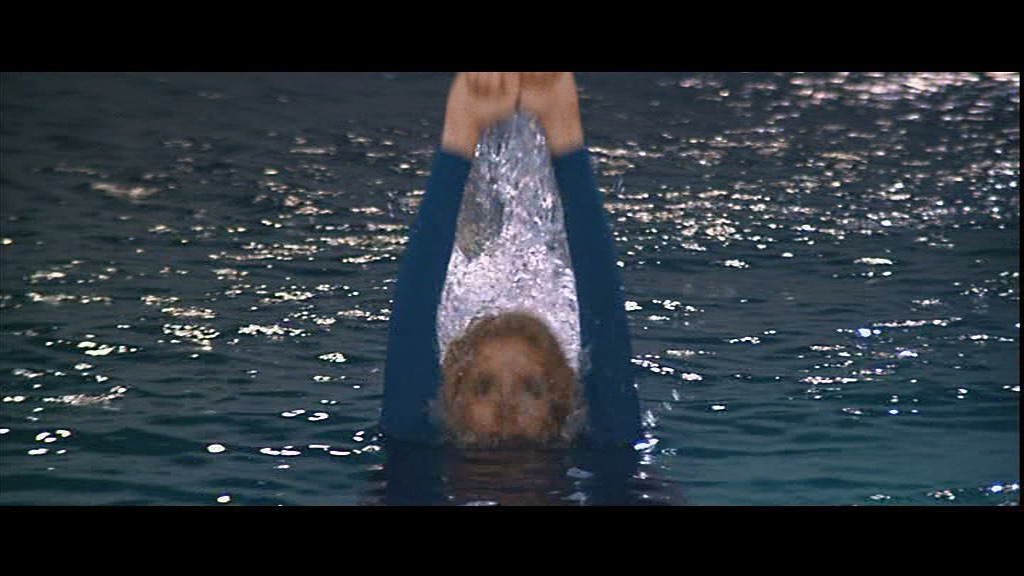
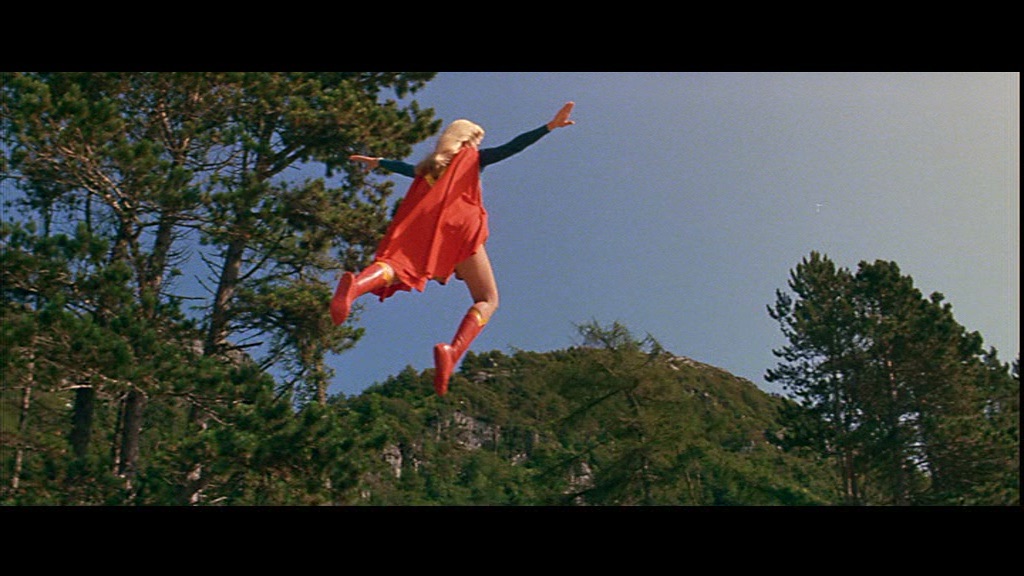
But Slater is also fantastic in her fight scenes as her character learns that there are bad people and bad forces at play on Earth. She is shown to be gutsy, determined and resourceful. A prime example of this is when she battles an invisible adversary sent by Selena.
Her performance is very physical; she was trained by the same personal trainer who put Christopher Reeve through his paces, something clear in the Making of Supergirl documentary that aired around the film’s release.
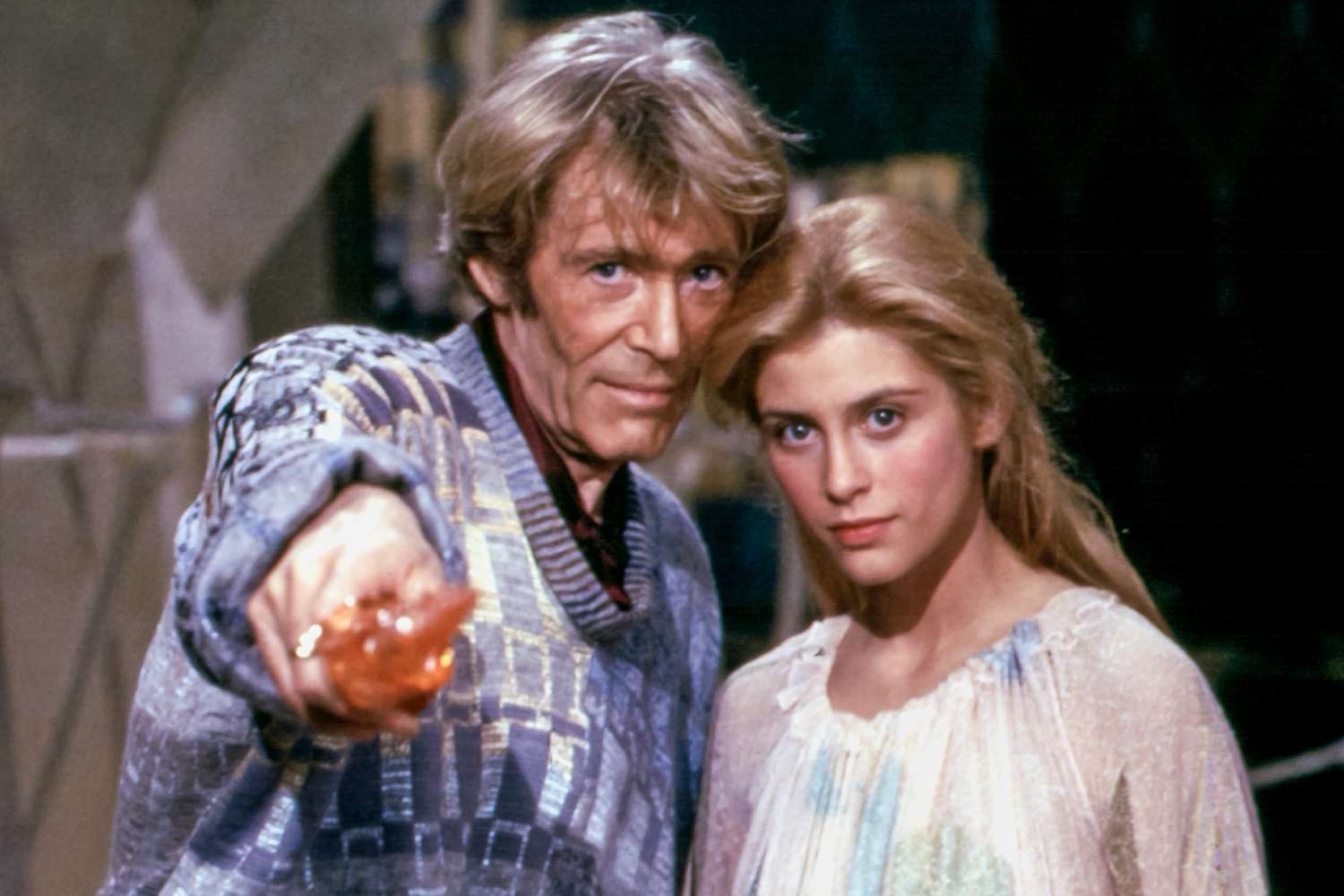
With Supergirl being a spin-off movie as part of a very lucrative franchise, it not only had a large budget ($35m), but also a huge cast of esteemed actors. Simon Ward and Mia Farrow star as Kara’s parents; Peter Cook is Selena’s camp warlock friend, Nigel (more about him later) and Peter O’Toole shines as Argo City’s Zaltar, a wizard who has ‘borrowed’ the omegahedron and is indirectly responsible for its loss. His performance is fantastic, all Old Vic measure as if he’s performing to the balcony.
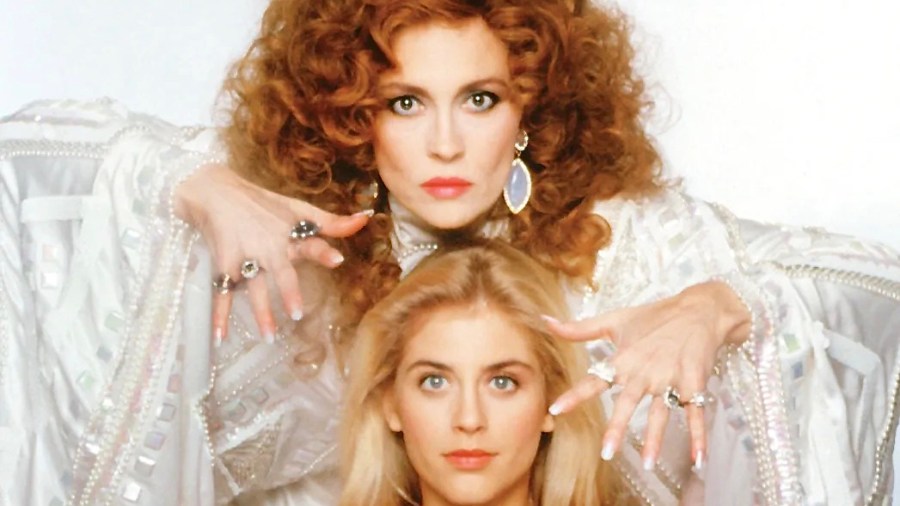
But when it comes to casting, Supergirl excels itself and brings on board an actress who is the cinematic equivalent of the H-Bomb, a woman who has starred in critically acclaimed fare such as Chinatown and Network. She’s received awards galore for them (including an Oscar for Network and an Emmy for a Columbo episode) but also hasn’t been afraid to star in more edgy fare which has been critically derided or lambasted (Mommie Dearest, The Eyes of Laura Mars). Her instincts have been right in many cases though (her ‘failures’ have largely been reappraised later as classics). Yes, the makers of Supergirl cast Faye Dunaway as Selena and she makes Selena one of the film’s most memorable characters. Her performance encompasses comedy, glamour (her very presence evokes female stars from a bygone era), but also intentional forays into ham and camp (more about this later). But she also brilliantly uses her acting prowess to evoke the darker side of Selena and the film as a whole (more of this later too).
Brenda Vaccaro was cast as Bianca, Selena’s sidekick. The pair bounce off each other brilliantly and provide the audience with plenty of laughs. Bianca seems to be the human reality check for Selena’s plans for world domination and becoming all-powerful. Vaccaro provided many anecdotes regarding working with Dunaway and how she didn’t put up with the actress’s more diva-like tendencies. Maybe this frisson between the pair fed into how well they come over on the screen.
One striking thing about Supergirl is its locales. One such is Argo City. It is described in the script of the film as ‘the domed city honeycombed with fantastic arches.’ It seems like a huge rock floating in space, covered with very strong plastic sheeting. Director Jeannot Szwarc described it as a utopia and the inhabitants seem to suggest this from their clothing- flowing mu-mus and the kind of apparel you’d see in any vegetarian restaurant.
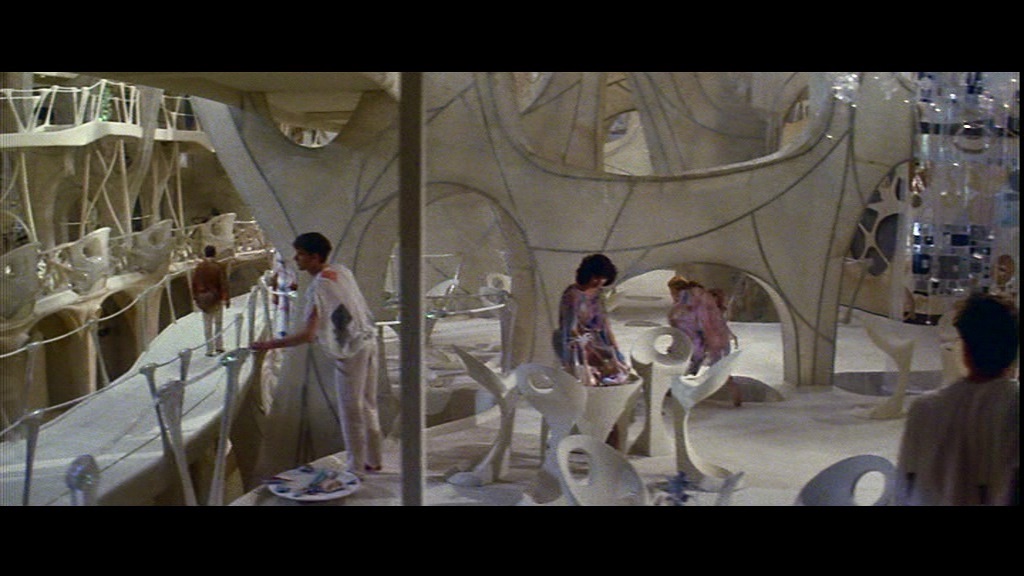
Supergirl’s arrival on Earth emphasises her new powers but also the love of her newly found freedom and nature. Argo City plays a part here as all of those years living under the plastic of her home planet have made her ability to fly unconstrained even more wondrous. We get the shots of her flying over the sea and running horses. We even get to see her waking up in the forest and greeting a rabbit who’s nearby. She is innocent, enchanted by her new surroundings and euphoric with her new powers and freedom. She is also finally experiencing the things from Earth that Zaltar could only reproduce as artworks on Argo City.
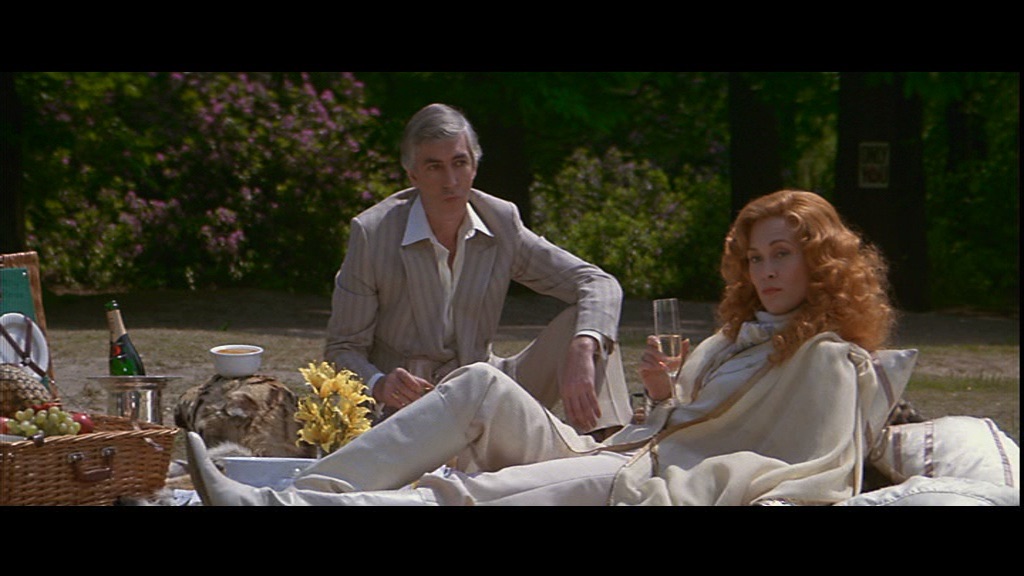
In fact, Supergirl’s innocence is in stark contrast to the sentiments expressed by Selena and Nigel towards the world around them. Selena is seen during a lavish picnic with her sometime boyfriend, the warlock Nigel. She remarks on how pretty the world is, but believes it will be even better when she’s ruling it. Her cynicism contrasts sharply with Kara’s genuine wonderment. She only sees the world through her megalomaniacal prism. Nigel is no better. He is shown later referring to the planet he lives on as ‘miserable’.
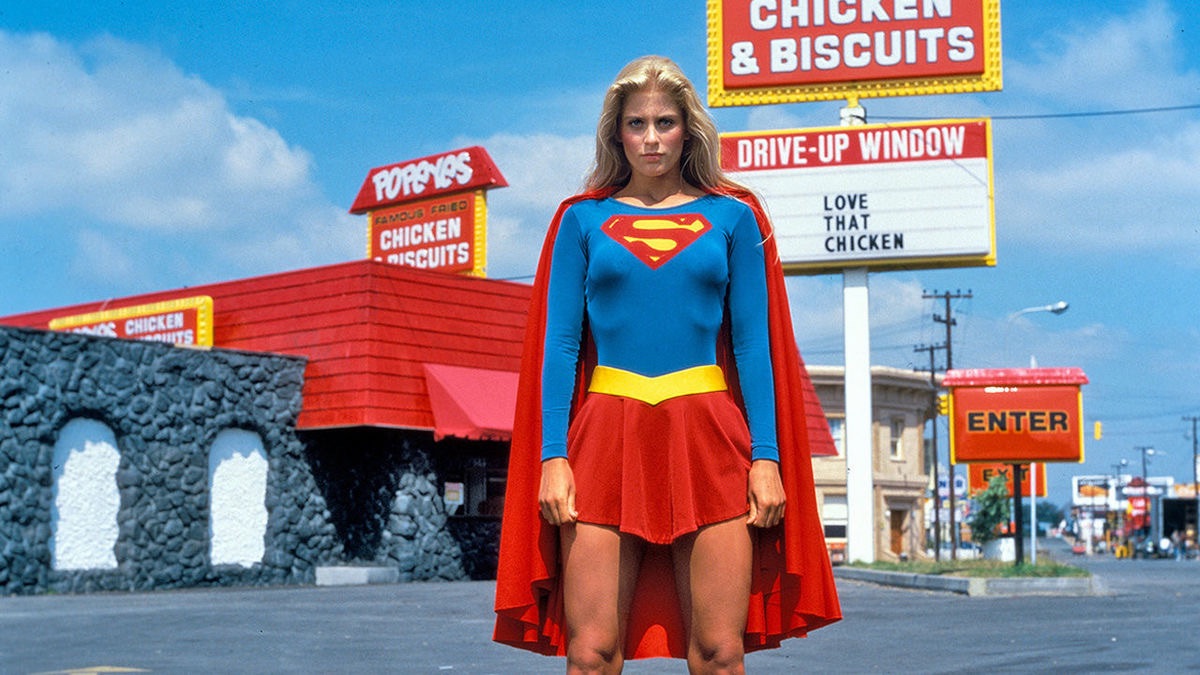
Another interesting locale is the one of Midvale, the small town where Kara dons her alias Linda Lee and enrols at the all-girls academy. The depiction of this small town matches Supergirl’s costume, all primary colours in its buildings and signage. It really is part literal comic-book creation translated to the screen and a very British vision of what a Midwestern American small town would look like (just like the Superman films, Superman was worked on by predominantly British crew members and shot at Pinewood Studios with Midvale being created on a filming lot there). We have a Popeye’s (also great product placement and a fast-food chain which wasn’t, at that time at least, available in the UK), a garage with a huge tyre as part of its facade (the kind of American business frontage which would have been deemed tacky in stuffy old Britain), the diner (of course) and a church (we see a wedding photograph being taken outside here but then being interrupted in the worst way possible).
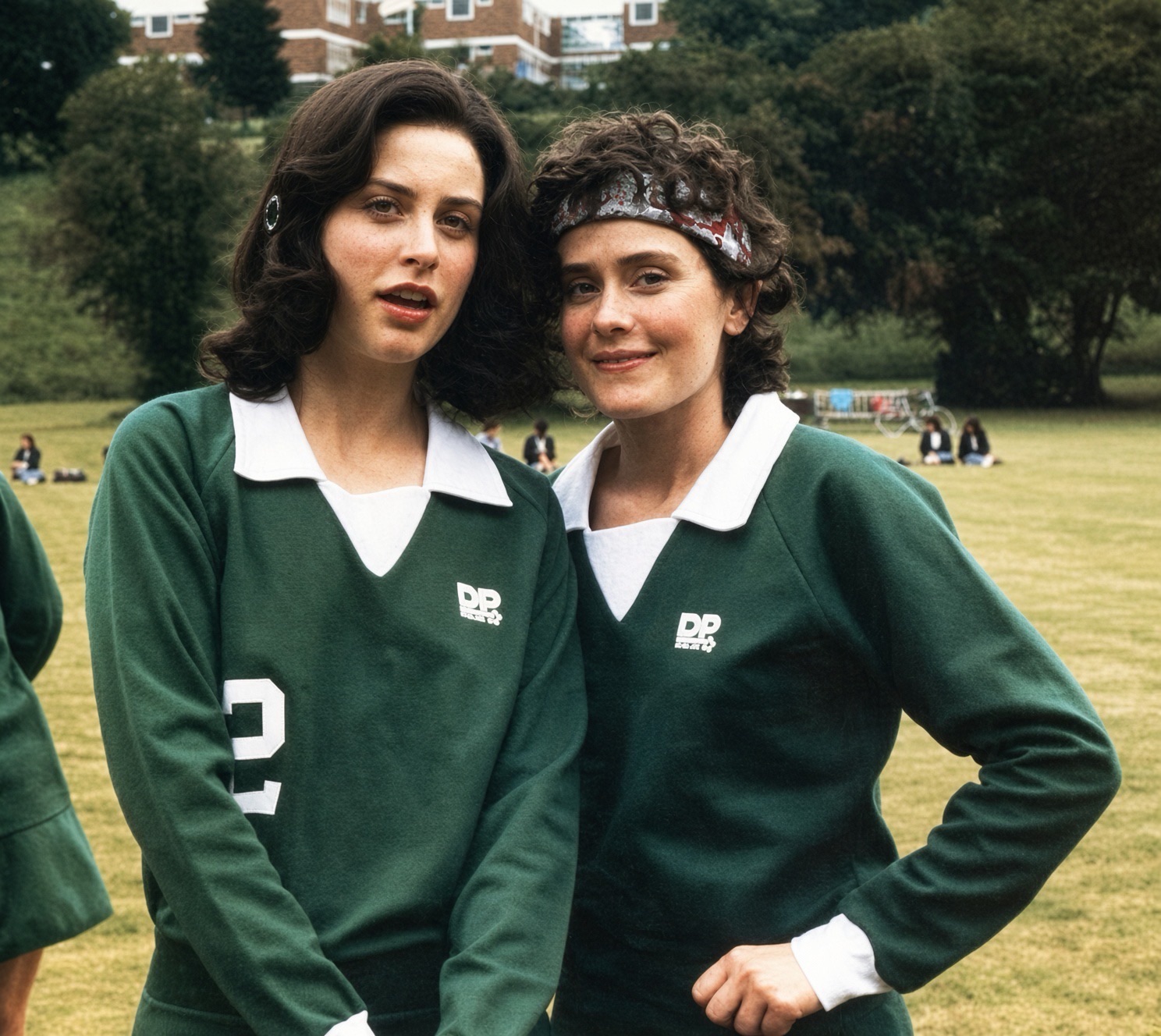
The school itself is also an interesting locale. The all-girls academy is where Kara observes the girls, decides to adopt her alias of Linda Lee (keeping alliteration alive) and is inducted into the institution. It’s here that she learns that she will be sharing a room with Lucy Lane (a memorable performance by Maureen Teefy and some spot-on casting) who just so happens to be the younger sister of Lois Lane. It’s a small world. This locale proves to be perfect for storylines regarding the girls that younger viewers will empathise with (the bonding of Linda and Lucy and the mean girls’ story arc both on the hockey field and in the showers afterwards).
The big city is not featured in Supergirl even though the US one-sheet poster features the Statue of Liberty. This retreat to small-town life in the film is another way that Supergirl feels different to the use of Metropolis in her cousin’s films.
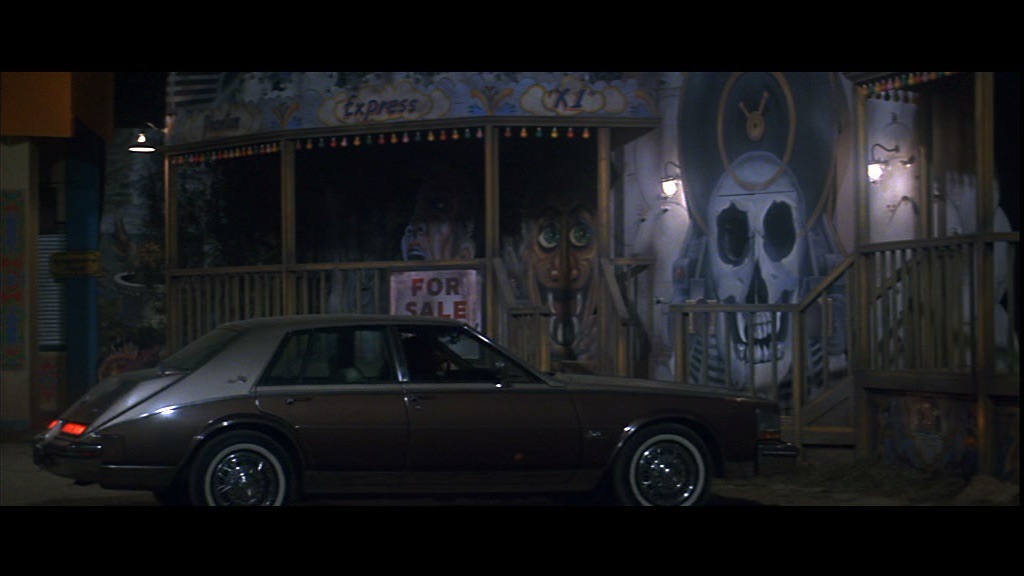
Another great set is Selena’s lair which is an abandoned fairground. This must be the coolest locale in the film, especially if you’re of a darker, moodier persuasion. It’s perfect for Selena and Bianca to live here seeing as they’re both witches. It’s also integral to certain scenes such as the one in which Ethan, the landscape gardener, is lured there by Selena and stumbles away after having his beer spiked. There’s a very nightmarish scene in which he walks through the ghost train in his drugged state. I also love the kitsch decor of Selena’s pad resplendent with great little touches such as the spider’s web fridge magnet.
And talking of kitsch and camp, this is a broader sense that permeates the film and is one of the film’s greatest strengths. Supergirl is intentionally camp, not accidentally so.
A lot of films described as ‘camp’ are those that don’t set out to be this but critics, spectators and fans have noted that elements of the events that play on the screen veer into this territory (not that this is a bad thing). An example here from La Dunaway’s filmography would be, naturally, Mommie Dearest, which, at one point was supposed to be a searing adaptation of Christina Crawford’s tell-all expose of her years of abuse at the hands of her adoptive mother, Hollywood royalty, Joan Crawford. But then as filming progressed and Faye’s performance took on Godzilla proportions, things started to unintentionally shift. The one-liners (‘Tina! Bring me the axe!’, ‘No wire hangers! EVER!’, ‘Barbara, please!’), the intensity of Dunaway’s performance, the brutality that curdles into gallows humour…this was all seen as camp albeit for those with an eye for the stronger stuff.
But, one gets the impression that within the confines of the making of Supergirl, camp was aimed for intentionally with the lead actors and old pros being required to ham it up spectacularly. Thus, we get the ‘two pints at lunchtime’ Old Vic delivery of the Loki-esque Zaltar as played by Peter O’Toole, the poisonous, venomous barbs of Peter Cook’s Nigel. Roger Ebert said in his negative review of the film that Supergirl was a failure partly because it wasn’t ‘played straight’ like the first two Superman films were. I disagree. It’s the fact that certain characters and the respected actors who played them were given the freedom to ham it up (but not to descend into silliness) that is why Supergirl feels so different to the Superman franchise and why it works so well. There’s a restraint here that these actors employ without descending into the ‘wink at the camera’ frivolity that some productions employ. The plot stays on track and is still propelled towards its conclusion. Selena wants world domination; Supergirl wants to stop her and take the omegahedron home to save Argo City. The film travels to the conclusion without silly self-indulgence.
Dunaway’s Selena is the campest element of all. She doesn’t just ham it up; she appears to be sending up her own established screen persona—a glamorous, high-maintenance Hollywood diva dropped into a lesser picture. The outlandish costumes, towering hair, and talon-like nails feel like exaggerated versions of looks she had worn before.
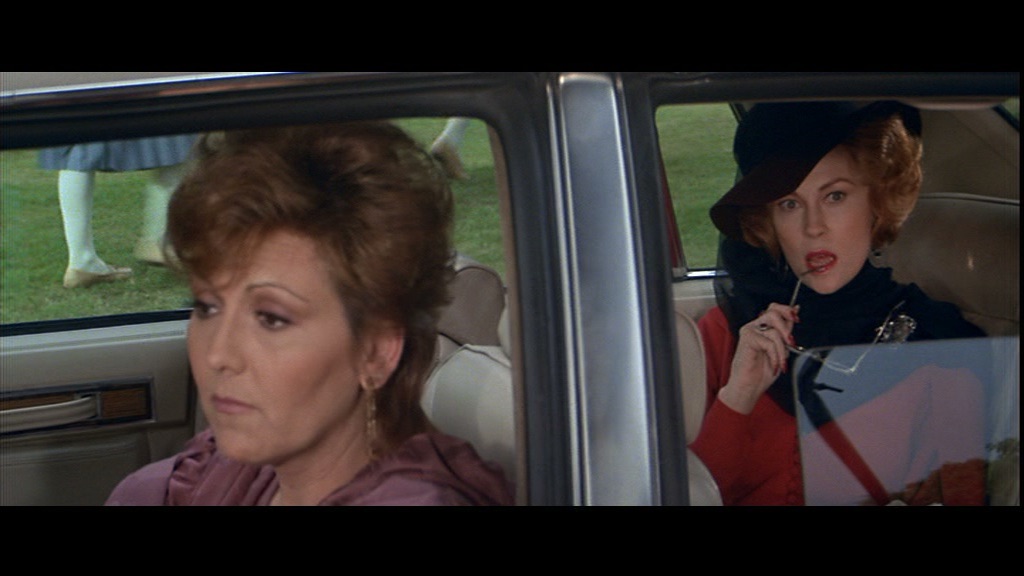
This intentional theatricality pays off in the comedy. When she first gets the omegahedron she has no real idea what she’s doing. Then when she concocts a love potion she’s like someone following a recipe, complete with kitsch winged glasses. At the picnic with Nigel she goes full excess (tiger-skin blanket and all), and it’s here that Nigel delivers one of the film’s best lines, bitchily telling her that if it wasn’t for him, she’d still be “reading tealeaves in Lake Tahoe.”

The same energy carries into the demon-summoning scene. Her improvised spell doesn’t even rhyme (“destroy wherever she…are”), prompting Bianca’s perfect deadpan: “Oh God, that’s awful. That’s never gonna work.” Once the winds rise and things turn genuinely frightening, the two of them cling to each other, after which Selena delivers the pure diva instruction: “Next time remind me to do this outside.”
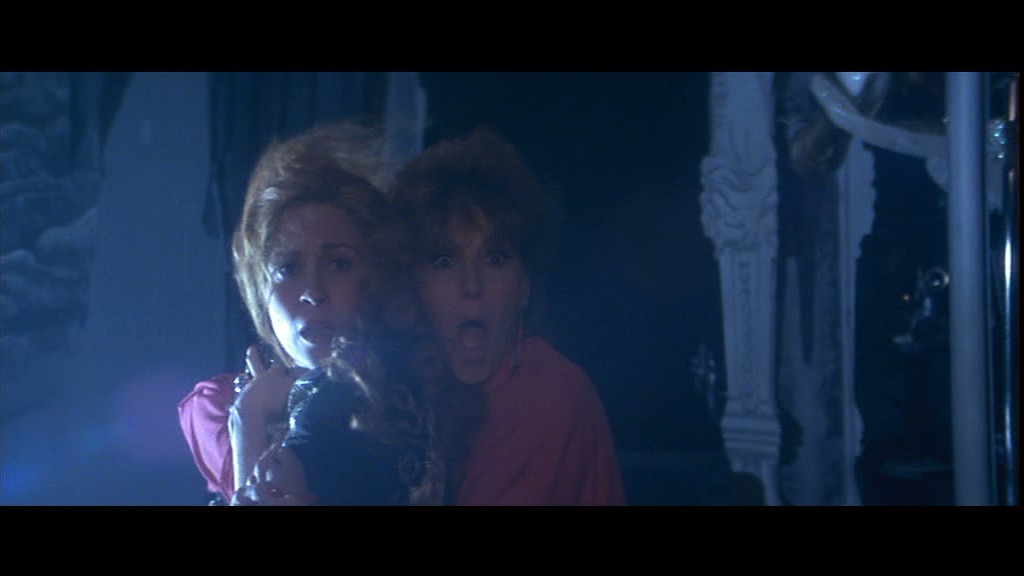
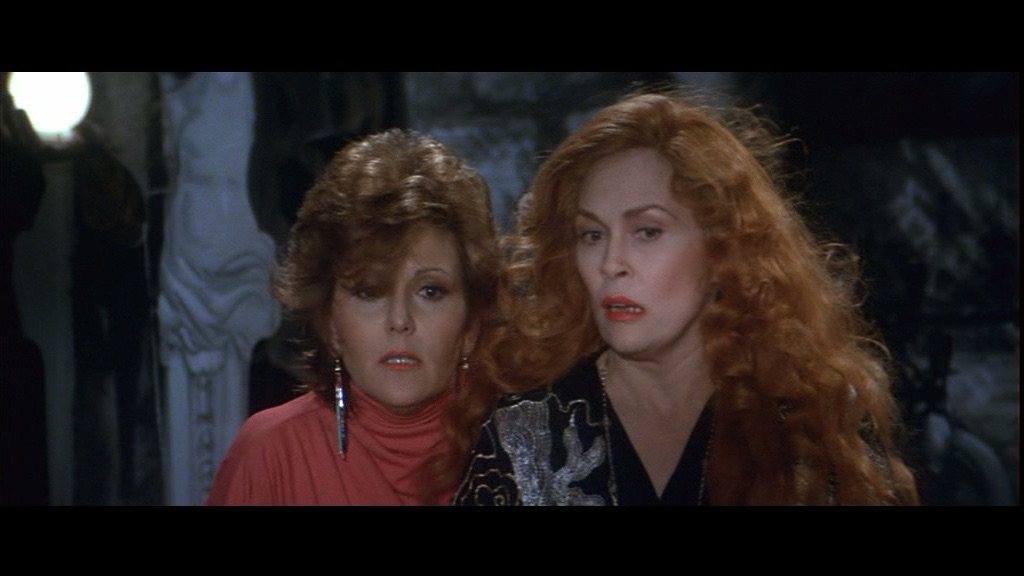
The point is that the camp is controlled. The plot still moves forward: Selena wants the omegahedron and world domination; Supergirl wants to stop her and save Argo City.
Another character that is a source of Supergirl’s camp quotient is Nigel as played by Peter Cook. Cook was a household name in the UK beginning in the 60s with the current affairs comedy show, That Was the Week That Was and later with the characters Derek and Clive with Dudley Moore (who would become globally huge because of films like 10 and Arthur). In the Making of documentary for Supergirl, he says that his role of Nigel was perfect for him as it required him to be sarcastic, so that wasn’t that much of a stretch.
As well as the iconic ‘tealeaves in Lake Tahoe’ quote, Nigel has other great scenes and lines throughout the movie.
One such delightfully camp scene involves Nigel in his Computer Science schoolteacher role. It’s here that he asks Linda (aka Kara aka Supergirl) to answer a question regarding a six-dimensional geometry equation when he sees that she’s drifted off and isn’t paying attention. He tries to humiliate her in front of the rest of the class by asking her for the answer. Rather than using her computer (which Nigel has told the class is essential for solving the equation), Linda simply gives him the answer: ‘5,271,009,010’. She astounds Nigel, as this is the right answer.
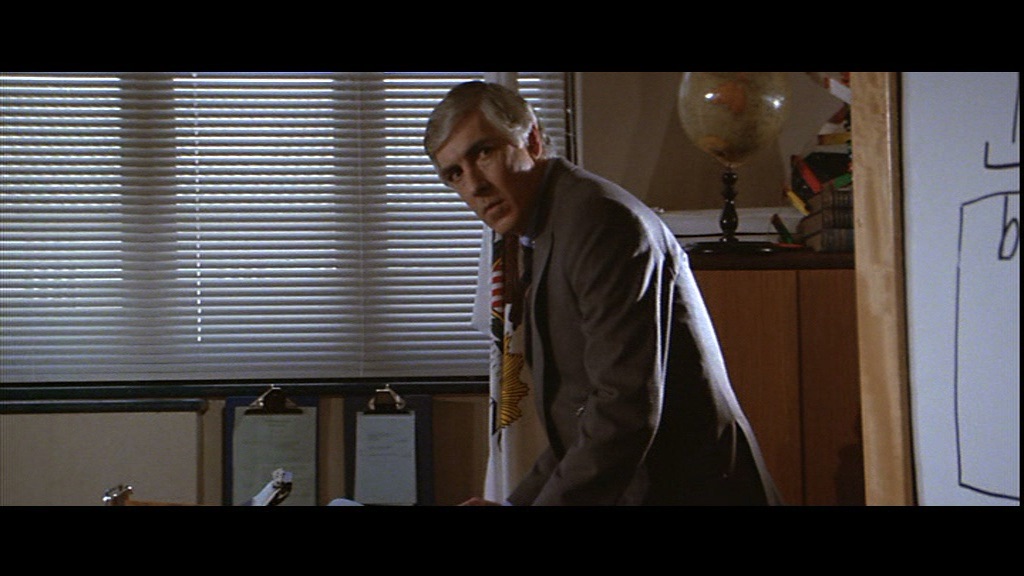
Another memorable moment is the scene in which Nigel appears in what he calls a ‘leisure suit’ (a kind of elaborate all-in-one creation like a jumpsuit). He has arrived at Selena’s fairground to make her an offer regarding combining forces now that she has real power via the omegahedron. Both Bianca and Selena ridicule him for his choice of attire and rightly so. But it makes for great comedy for the audience (Nigel- ‘I want to make you a serious proposal.’ Selena- ‘In that outfit?’)
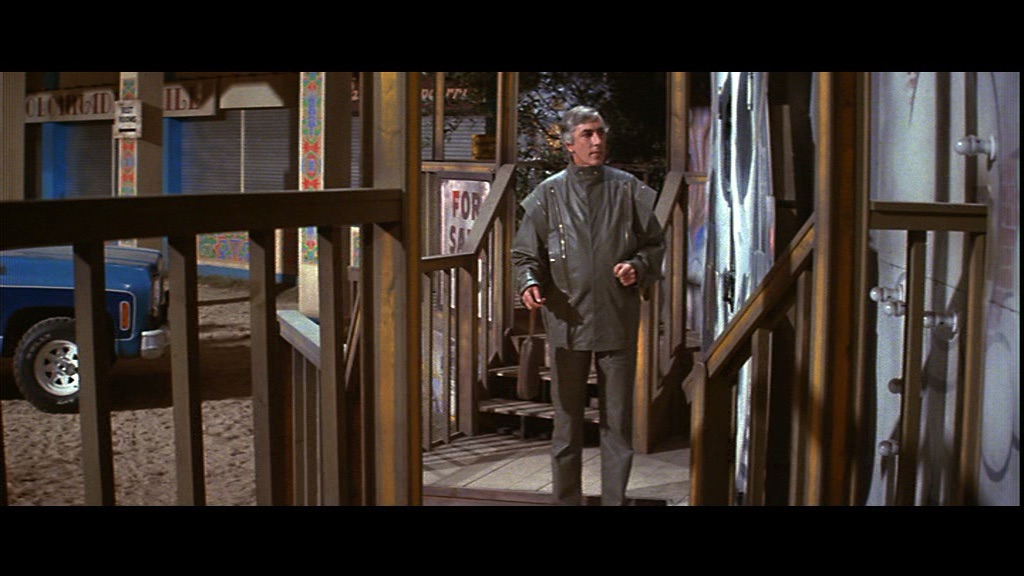
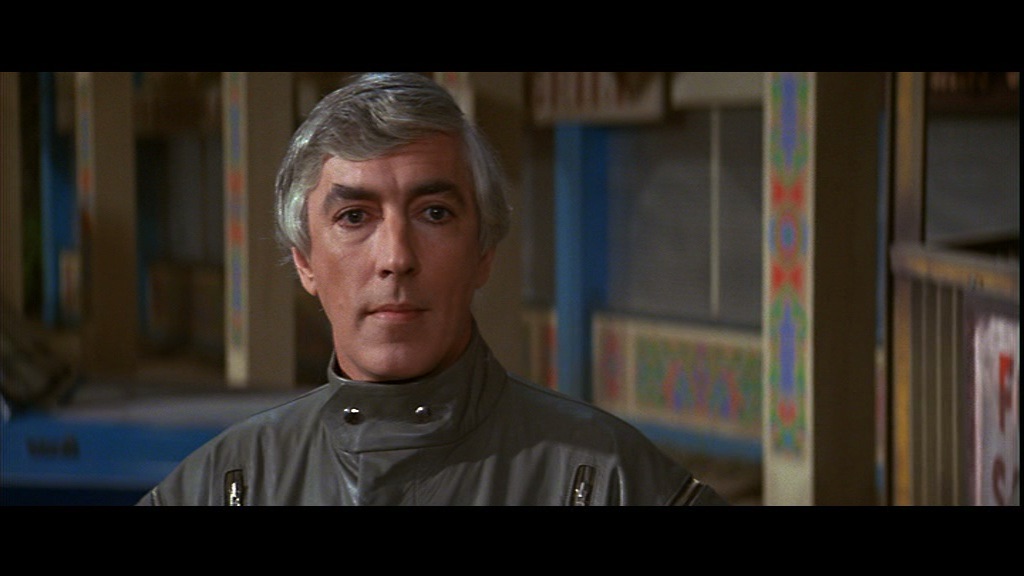
But whilst there is so much intentional camp, there’s also darker, more sinister fare within the film that acts as a balance for the film. Selena and Nigel might be camp as Christmas regarding their handling of the Dark Arts but, because of the omegahedron, when their plans come to fruition, they provide very dark results that feed into another aspect of Supergirl that works very well- its ability to scare and unsettle, especially for the younger audience members. Kids love to be frightened (within reason) and the film offers this up very well. But these sequences may be darker but still adhere to the theme of intentional camp that runs through the film. One example would be Selena’s grand finale at the end of the film. There’s enough wind, mood lighting and dry ice to compare it to a Kate Bush video.
We get the invisible entity that is sent to find and destroy Supergirl which is defeated by Kara by way of a lightning-struck streetlight. As it’s invisible and seemingly formless but is seen destroying everything in its path, this is a very macabre sequence. Director Jeannot Szwarc shows that he can direct horror (he previously directed Jaws 2) as well as superhero/family-friendly fare with real verve and generates tension very well.
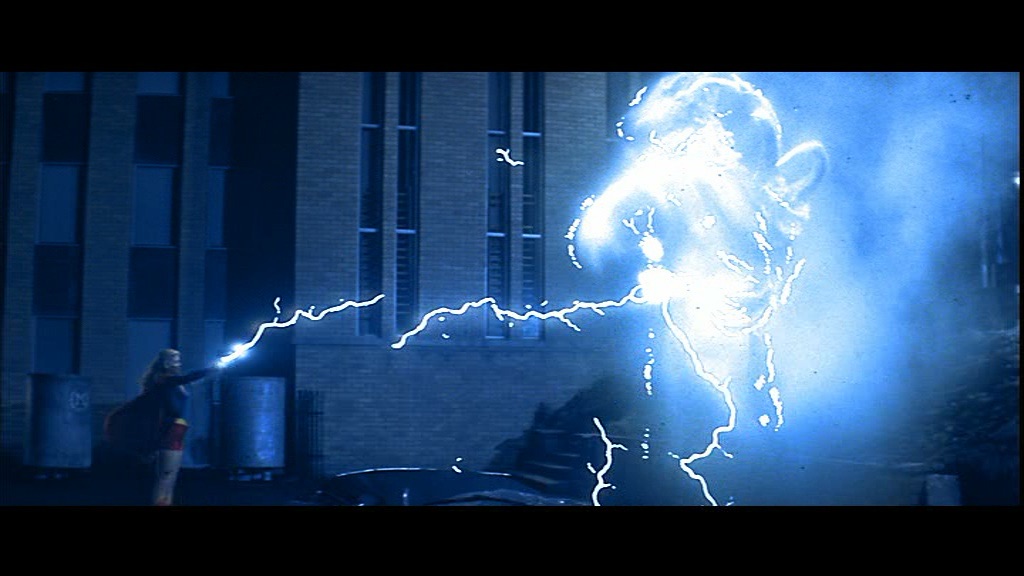
The same can be said of the dragon Selena conjures up at the end of the film, which also features on the gorgeous UK quad poster.
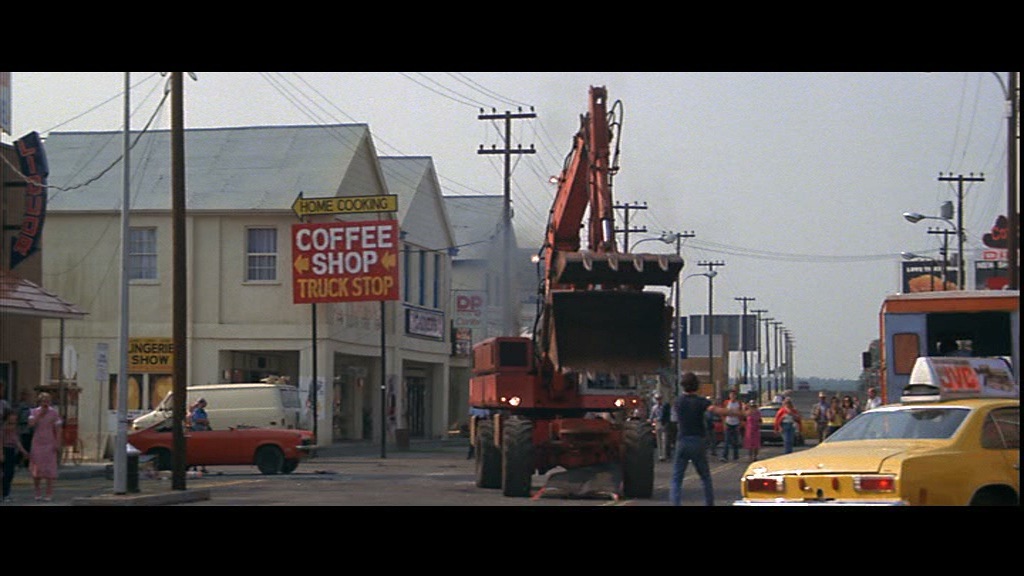
Selena even makes a road digger into a chomping dinosaur to grab the drugged Ethan who is stumbling through daytime Midvale before he is rescued by Supergirl. There’s something particularly frightening for children about seemingly innocuous objects suddenly acquiring a mind of their own and acting with malicious intent. The film captures this brilliantly.
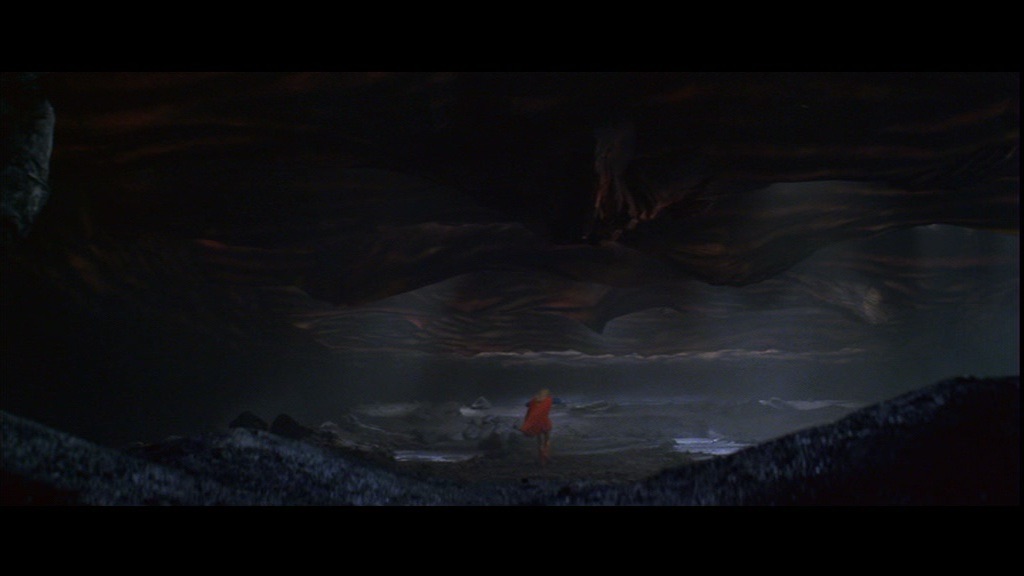
The Phantom Zone’s locale is also very dark, literally. After Supergirl is banished there by Selena (this was the place General Zod et al were sent to in Superman: The Movie), she discovers that Zaltar is also there after he exiled himself as punishment for the loss of the omegahedron. It’s austere, bleak, and utterly desolate. This is another first for Supergirl. We actually get to see the Phantom Zone whilst the previous films just referred to it.
Unfortunately, Supergirl underperformed at the box office and, even though it was the number 1 box-office film in America for its week of release, it brought in only $14.3m domestically against its $35m budget. Test audiences found the original 138-minute version overlong, and around 15 minutes were cut for the international release. A further 20 minutes were removed before the US release, bringing its running time down to 105 minutes. Reviews ranged from fair to negative but Supergirl earned two accolades that any decent cult film worth its salt should have- it was panned by Roger Ebert and garnered Razzie nominations for Faye Dunaway and Peter O’Toole.
Whilst history has started to reverse the negativity regarding the film (it now has a legion of fans just like Halloween 3: Season of the Witch does), there’s still a general opinion that the film is sub-par and a film that’s ‘so bad it’s good’ (an awful, lazy term).
Instead, I’d say it’s ‘so good it’s great’. Its tone is different to that of the Superman films but is fantastic because of this with director Szwarc saying he wanted the film to be different from those films anyway. It’s also a great cult film- a glorious piece of 80s escapism that is undervalued and underseen. It has never received quite the same attention in Superman franchise box sets or home-video releases as the other films. And compared to the recent Supergirl movie, it’s a masterpiece.
Supergirl (1984) doesn’t get nearly the amount of love it deserves. Hopefully that will change and history will judge it as the underrated gem I know it is.

