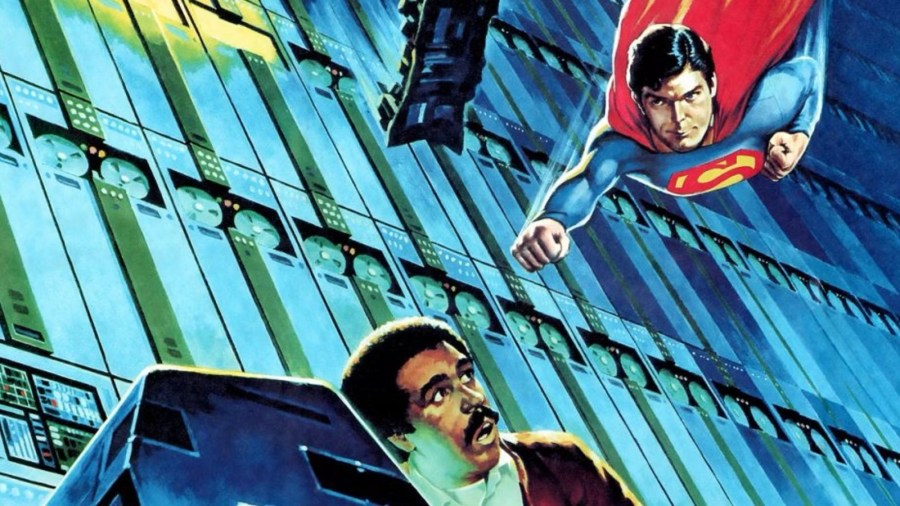
Superman III had some seriously big boots to fill.
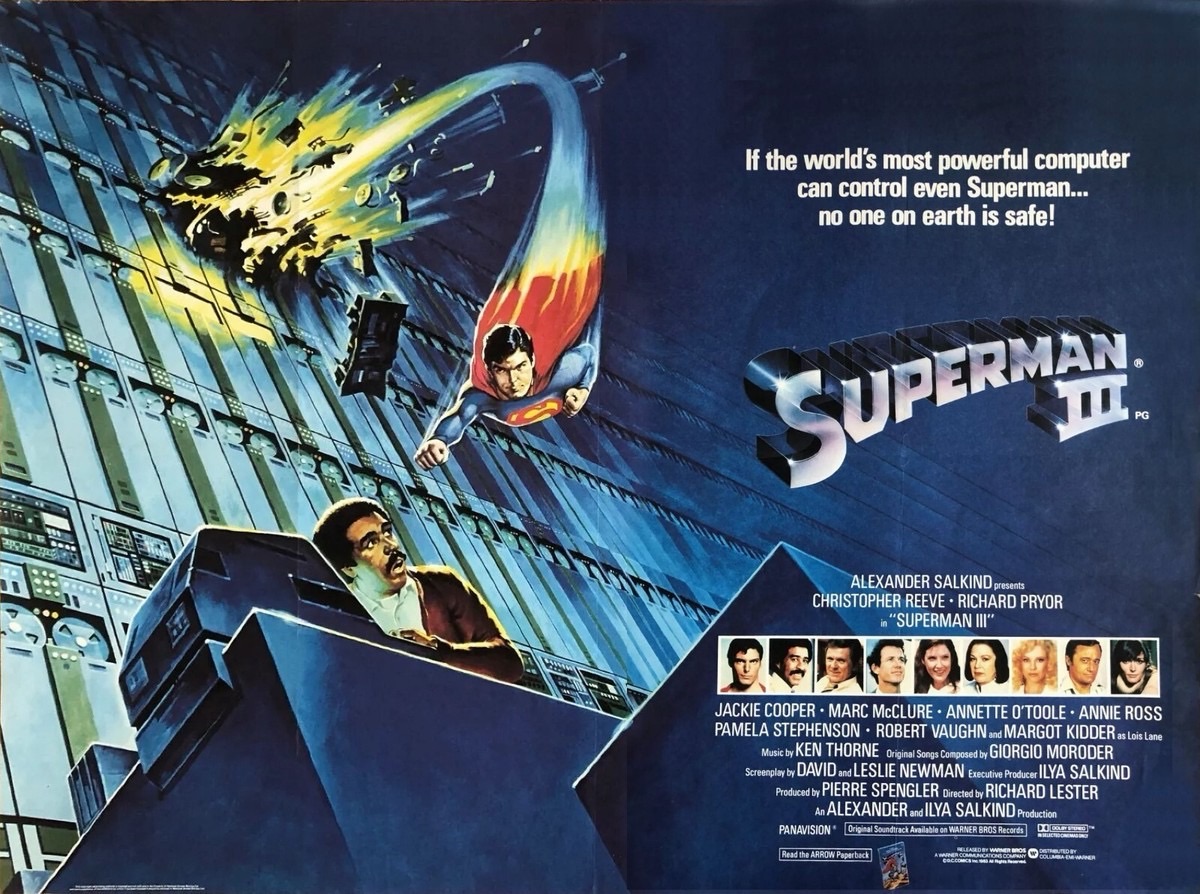
Superman: The Movie had a huge budget for its time (a cool $55 million), talented writers (including Mario Puzo) and a cast to die for (Marlon Brando, anyone?) An unknown actor, Christopher Reeve, was cast as the Man of Steel, which was a considerable risk. The film was so successful in artistic terms that we really did believe a man could fly, as the film’s tagline asserted. Even the critics loved the film, praising its narrative, performances and set design, amongst other things. The film was also a huge box-office success with records being broken and the film helping to continue the blockbuster trend popularised by Jaws and Star Wars.
With the first film being such a smash, surely its sequel would fail either artistically or financially? But no, it didn’t! The two films were closely linked in terms of characters and plotlines: the villains introduced in the opening scenes of Superman: The Movie would take centre stage in the sequel. Yes, director Richard Donner may have been fired by producers, and Richard Lester was employed instead, but this didn’t detract from the brilliance of Superman II. Like its predecessor, it received plaudits from the critics and reaped millions at the box office. In fact, the only bone of contention seemed to be which film was better.
Oh, and did I mention the underlying Jesus Christ analogy that permeates both films?!
With all of this acclaim and praise, how do you approach a massively successful franchise’s third film? There seems to be a lot of hate for 1983’s Superman III, but I think otherwise. I think it’s a damned good film.
Firstly, there’s a lightness to proceedings. Gone is the seriousness that imbued certain parts of the first two installments with the comedic aspects cranked up higher in the mix. We get to see that with the slapstick credits sequence which was coordinated by director Richard Lester along with stunt co-ordinator Paul Weston. This sequence was hated by some, Christopher Reeve included.
With more of an emphasis on the comedic elements of Superman III, the characters and casting reflect this. The major draw is the casting of Richard Pryor as computer programmer and professional grifter, Gus Gorman. This is obviously PG-rated Pryor and so those seeking his edgier fare should look elsewhere. But he still excels and bounces playfully off the other characters he’s sharing scenes with. Superman III involves his character helping to develop a supercomputer which, unbeknownst to him, will kill Superman.
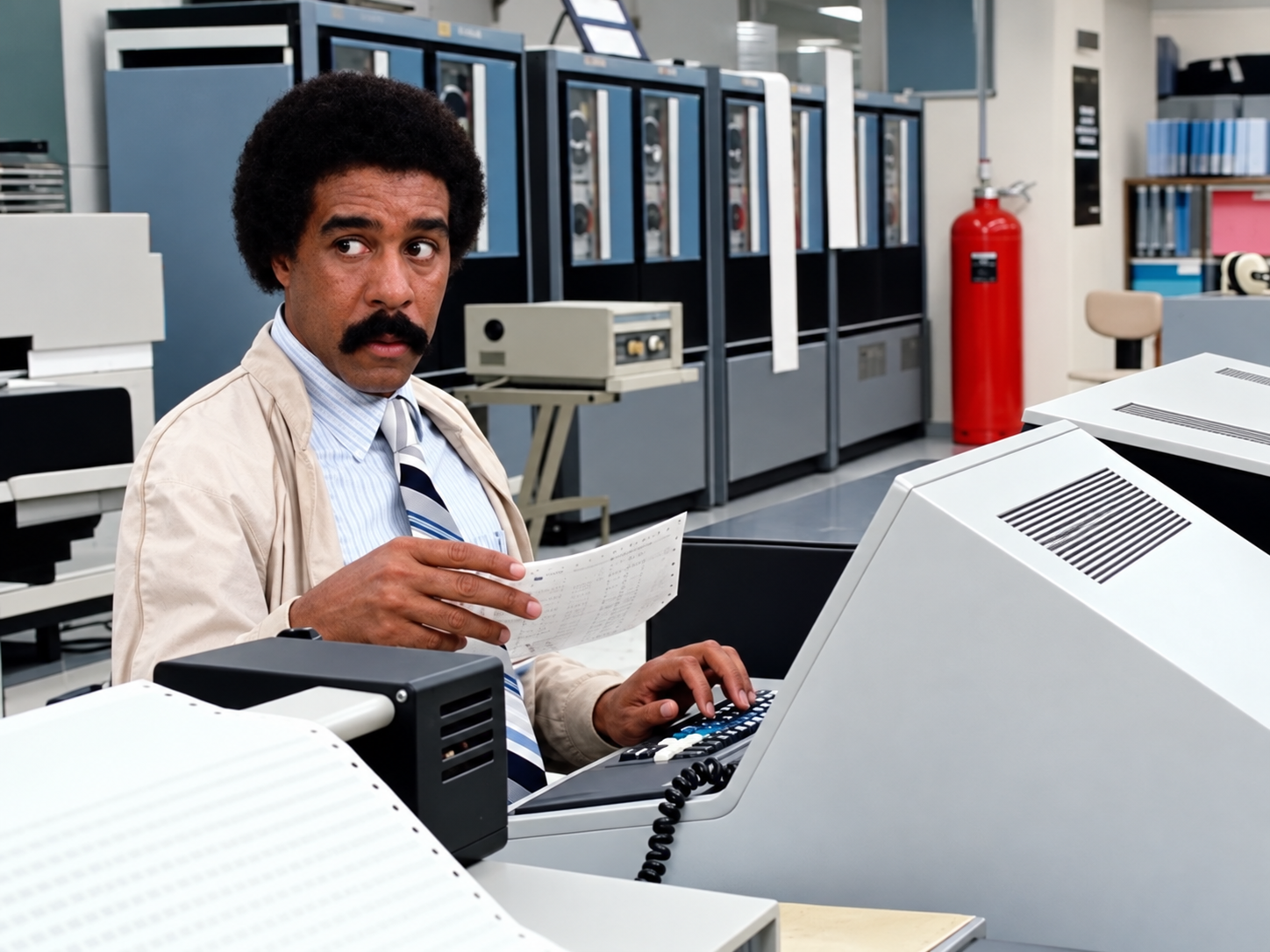
Some have criticised the amount of screen time Pryor receives, but as one of the film’s biggest commercial draws, he was given plenty to do, and the filmmakers largely got their money’s worth. He’s excellent in Superman III, whether it’s his line delivery or the more physical aspects of his performance (the scene in which he swallows a key is very funny). But does he steal the show and overshadow The Man of Steel? No.
Another casting choice deserves more recognition: Pamela Stephenson. She was a household name in the UK but largely an unknown to other audiences watching the film. Stephenson had become famous on a comedy show called Not The Nine O’Clock News along with future Mr Bean and Blackadder actor, Rowan Atkinson. She was zany, unpredictable and extremely talented. She’s also extremely intelligent and trained to become a therapist later in life. I love the sequence in which her bimbo character, Lorelei, is shown reading Kant, a surprisingly intellectual pursuit for such a character.

The supervillain of the piece is Ross Webster, played by Robert Vaughn, best known for The Man from U.N.C.L.E. He’s another excellent casting choice. He can easily camp it up just as much as Gene Hackman. His shrewish sister, Vera (Annie Ross), acts as his sidekick and would provide a highly disturbing scene that would freak out a whole generation of children. More on that later.
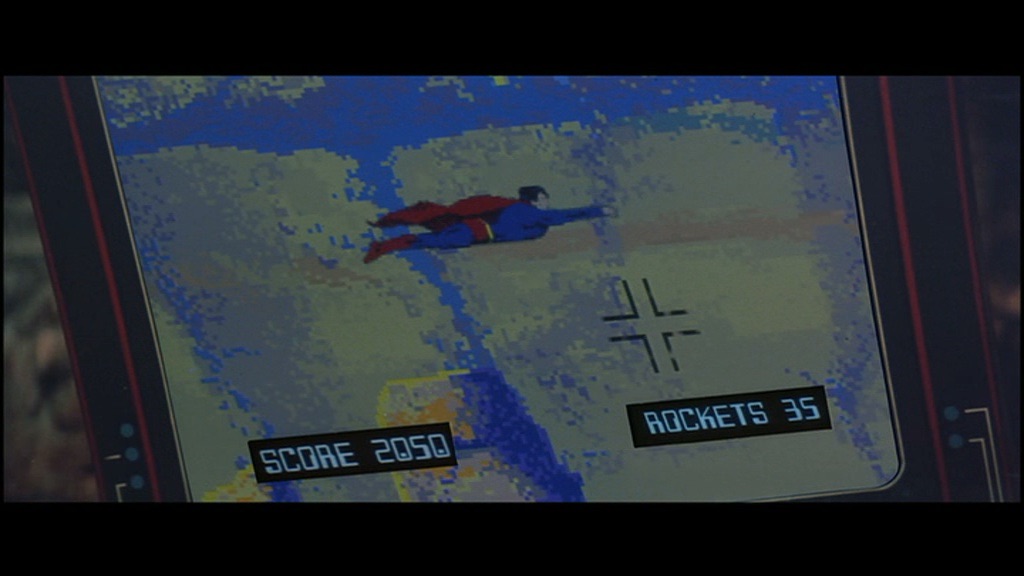
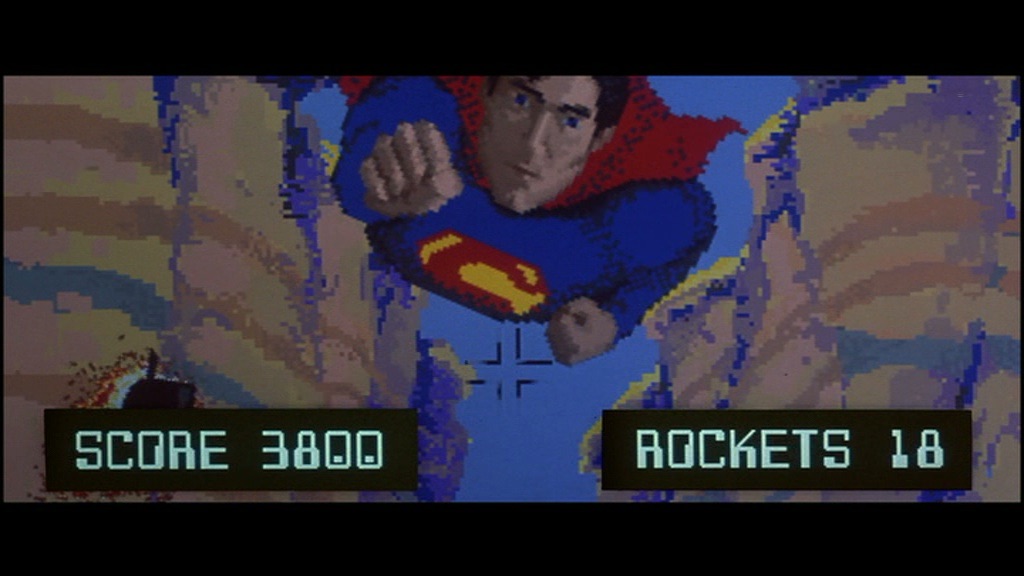
The plot involving the computer was very astute and picked up on the zeitgeist of the times when the film was made. The early 80s were computer-crazy, with arcades providing a popular pastime for many kids and gaming consoles infiltrating homes. Atari was arguably the most popular, and this was something that the makers of Superman III fully exploited. There’s even a sequence in which Gus uses the supercomputer to create an Atari-style game that fires real rockets at Superman, with crude computer graphics helping him target the Man of Steel. Not only did this capture a specific moment in time, but it also captured an era that has aged like a fine wine. Thank God they went full Atari and not Betamax.
One significant weakness in Superman III is the greatly reduced role for Margot Kidder’s Lois Lane. Her character explains that she is going on holiday to Bermuda, whereas behind the scenes Kidder had fallen out with the producers over their treatment of Richard Donner during the previous film’s production. In a career retrospective with The Flashback Files, Kidder explained that her criticism of the producers led to her being given only a handful of lines in the third film.
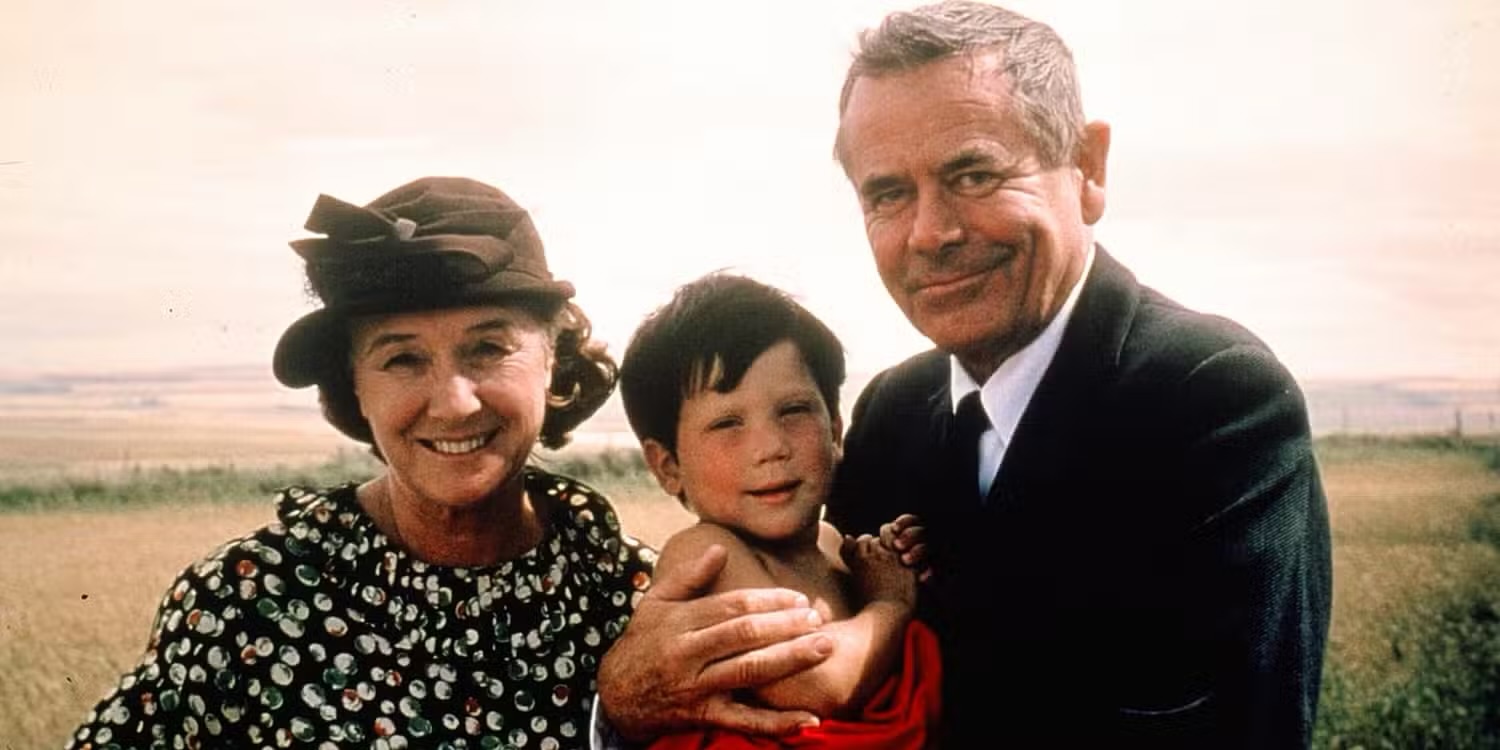
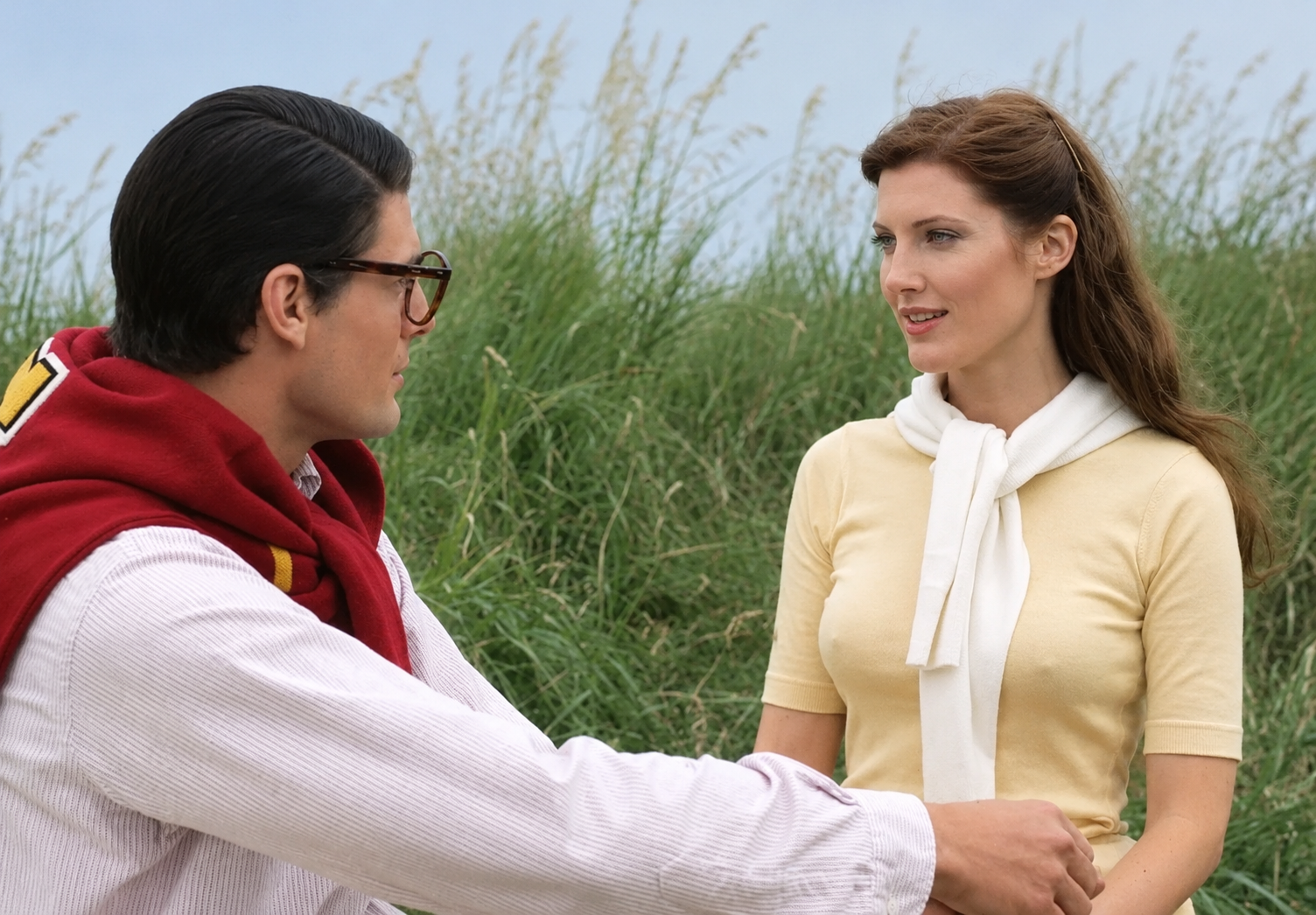
But the film’s producers decided to compensate for this handsomely. They brought back the character of Lana Lang from the original film which meant that some of the film’s action takes place back in Smallville, linking it to the original film.
Another interesting aspect is that of the synthetic kryptonite that Gus makes. He finds out the components but substitutes the missing ingredients with tar from a packet of cigarettes and this has a very entertaining effect on the Man of Steel. He slowly becomes a bad, selfish and corrupted version of himself signified by the dark rings under his eyes, stubble and a darker outfit. We see him turning up to accidents late and seeing people who he should have saved, perishing instead. For a lark, he straightens the Leaning Tower of Pisa and spends his downtime in bars drinking shots, using his super strength to flick peanuts to break bottles and destroying mirrors with his heat vision (Freud would have a field day with this last example of Superman turned bad and his own self-loathing). He meets Lorelei on the Statue of Liberty, does the favour she asks (punching a hole in an oil tanker), and then goes back to her apartment with her.
But the film isn’t all japes and comedy. This crisis of identity culminates in a battle in a junkyard between the corrupted Superman and his good alter ego, Clark Kent. Thankfully, good succeeds and Clark overcomes the darker version of himself and becomes the good Superman again. This is an extraordinary sequence and even those dumb enough to hate Superman III begrudgingly admit that this scene is worth the price of admission.
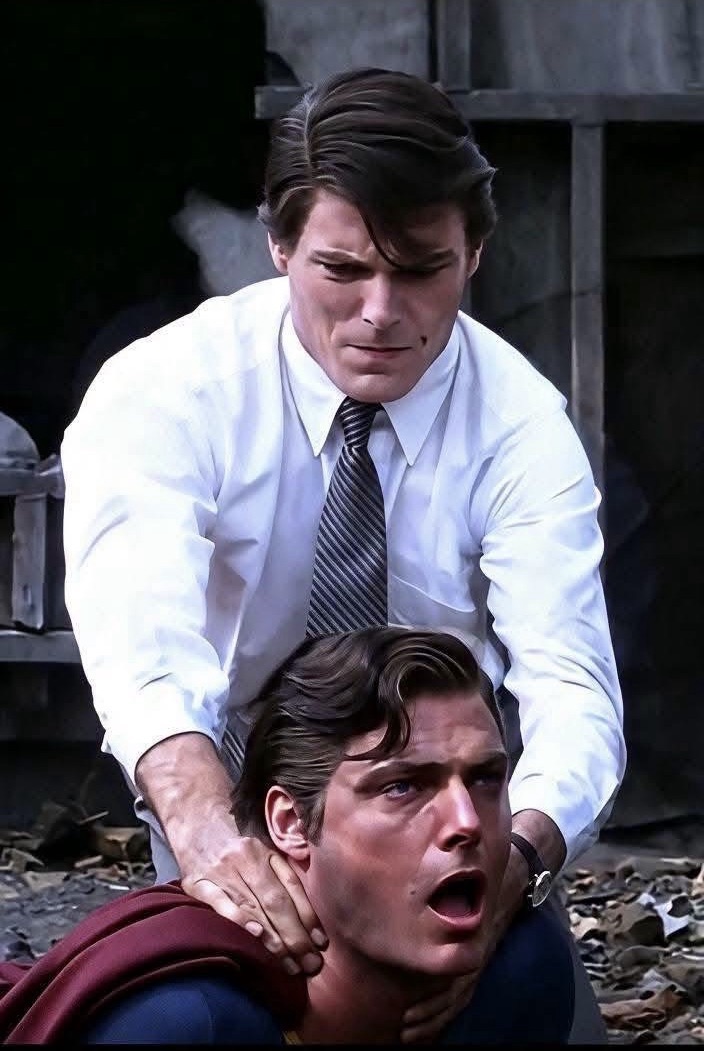
The scene further showcases the acting prowess of Christopher Reeve with his depiction of the bad Superman, in sharp contrast to the fumbling, awkward Clark. It’s a great sequence.
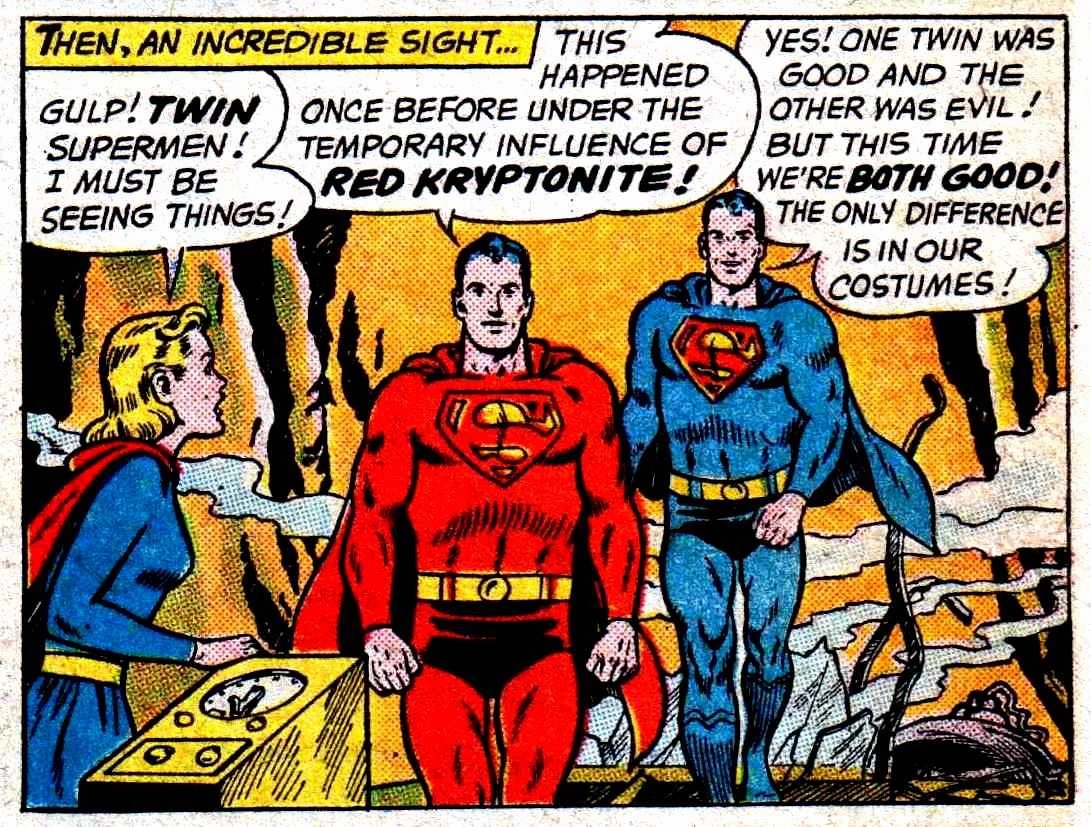
I remember a similar scenario in Superman #162 when I was a boy, with Superman splitting into two versions of himself: Superman Red and Superman Blue. Unlike the good-and-evil division in Superman III, both versions in the comic are good, differing only in their costumes following the temporary influence of red kryptonite.
The synthetic kryptonite in Superman III also bears a striking resemblance to the black kryptonite introduced decades later in Smallville.
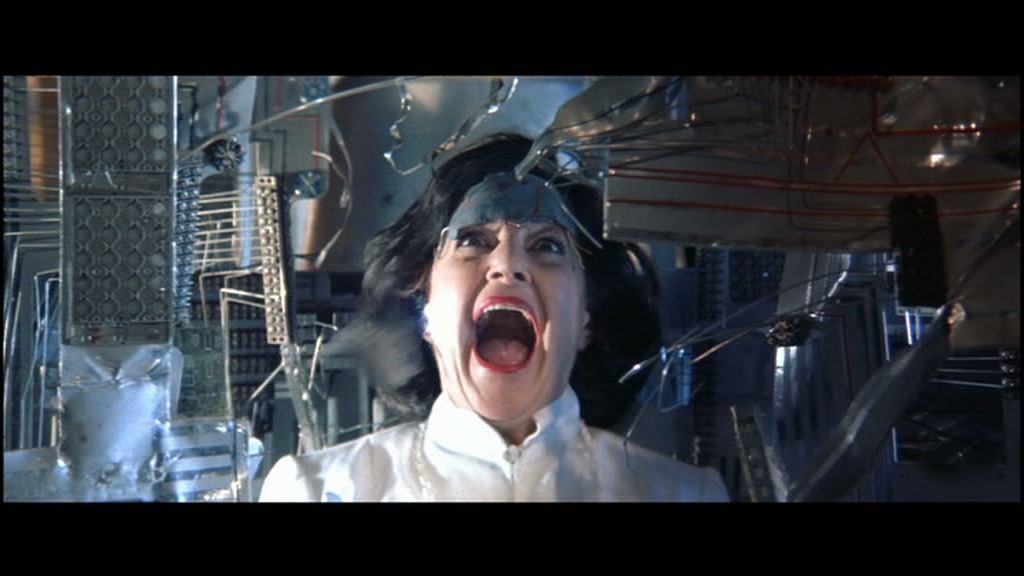
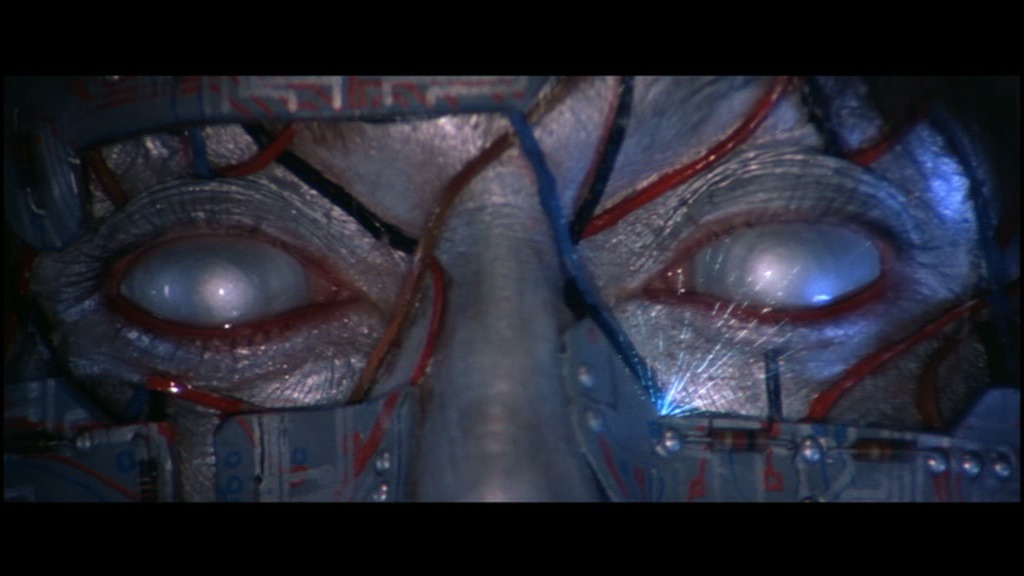
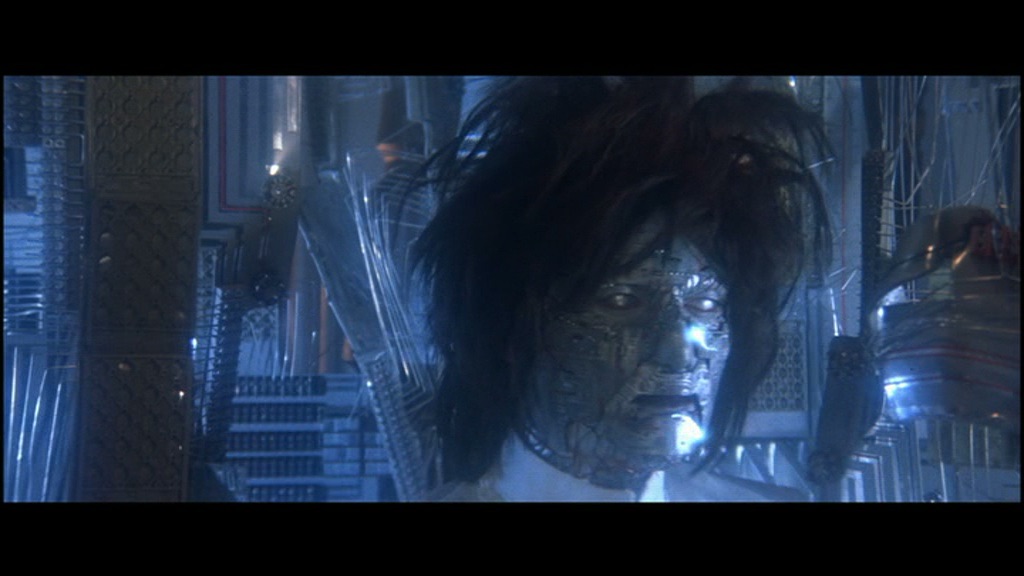
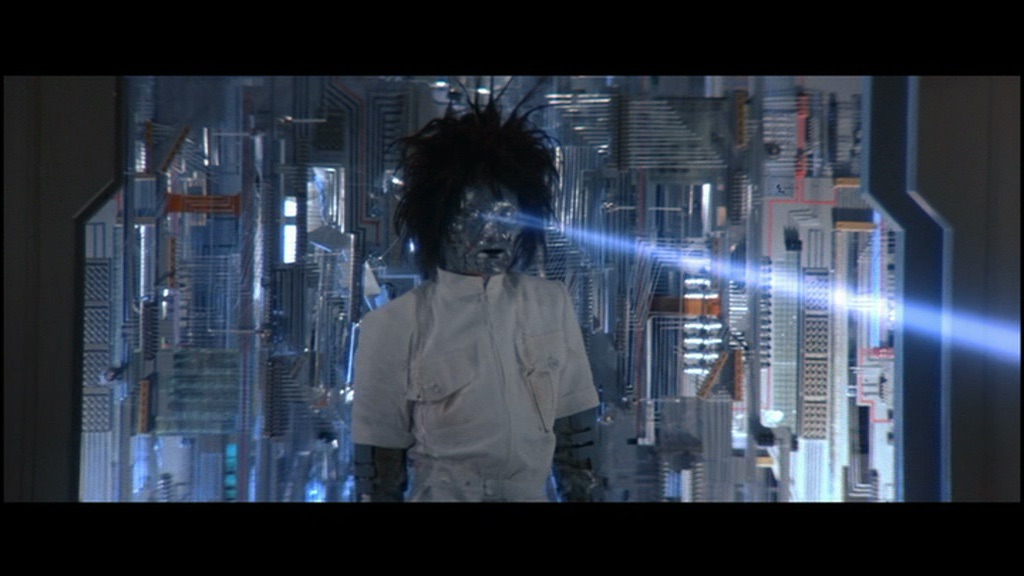
Another memorable scene for Gen Xers who saw the film on its original release comes when the computer goes rogue and transforms Ross’s sister, Vera, into a cyborg. This sequence is brilliantly executed and still crops up in discussions of 1980s film and television scenes that served as nightmare fuel.
Some have also criticised what they perceive as tonal inconsistency within the film, but I think this brings it back to the comic-book roots of Superman, with a sense that anything can happen next and the audience never quite knowing what to expect. The structure might be looser than the first two films and more episodic but I enjoy this approach in contrast to the preceding films.
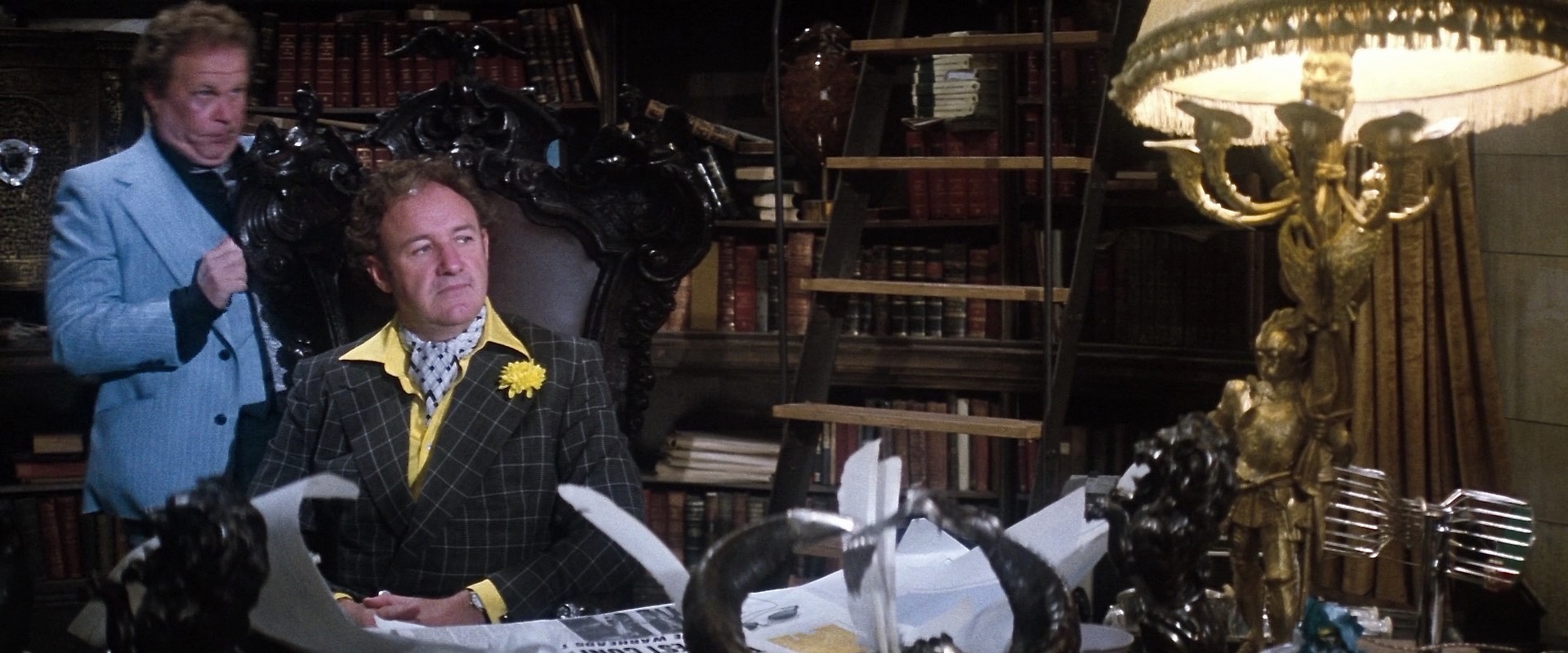
Some have even gone as far as to say that Superman III lapses into camp too readily. But did they notice how camp was never far away in the first two films either? Think of Lex Luthor, Otis and Miss Teschmacher and their grandiose plans for world domination. Gene Hackman plays Luthor with a theatricality that is often as entertaining as it is menacing, whilst Otis provides broad comic relief and Miss Teschmacher adds her own brand of eccentricity. Even the early sequences in Superman: The Movie, with Superman foiling criminals in increasingly outlandish circumstances, have a distinctly playful quality.
Camp isn’t simply another word for comedy. It’s also about theatricality, exaggeration and an enjoyment of excess. Terence Stamp’s imperious General Zod in Superman II is a perfect example. His performance is genuinely threatening, yet there’s something gloriously over-the-top about his grand declarations and his insistence that everyone should kneel before him.
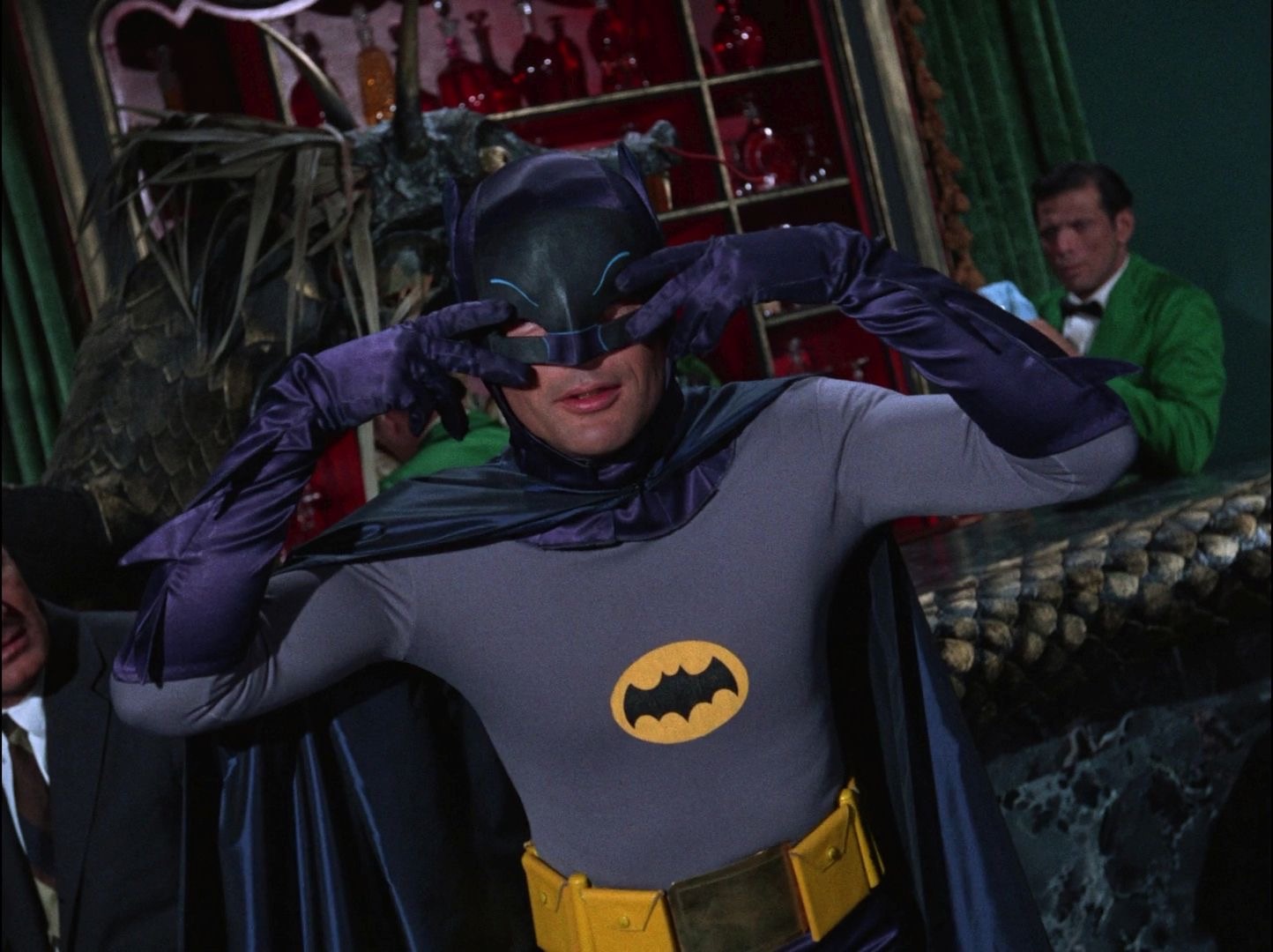
Superhero films have always walked a fine line between the ridiculous and the sublime. Just look at the colourful costumes, extravagant villains and heightened melodrama of the genre, or the pop-gothic excesses of the later Batman films. The 1960s Batman television series took camp to its logical extreme, but it didn’t invent the idea of superheroes being larger than life.
What matters is whether the tone works. Superman III may turn the comedy up several notches, but that doesn’t automatically make it an inferior film. The humour provides a striking contrast to the darker material, particularly the junkyard confrontation between Clark Kent and his corrupted alter ego. The film can be ridiculous one moment and genuinely unsettling the next; that range is part of its character rather than a simple flaw.
Superman III was a significant box-office success on its release, ranking as the eleventh biggest film at the US domestic box office in 1983, according to Box Office Mojo. Yet some people speak of it as if it’s a complete and utter turkey. They’ve obviously never seen Superman IV: The Quest for Peace. There’s still plenty to enjoy within Superman III. It doesn’t have to be all or nothing.
Before Superman III, there was also the Superman spin-off Supergirl, which left some franchise fans frothing at the mouth with rage, particularly those who objected to Superman III straying further into camp than its predecessors. I actually think Supergirl is a very good film and I’ll outline why in my next article.

